

26 Mar What’s Going On in Our Field Right Now?
What’s Going On in Our Field Right Now?
By Julli Jaramillo
I’ve been keeping up with what’s been happening in our field, and I think now is a good time to update everyone.
There’s a lot shifting right now, and it’s not all happening in one place.
You see it in courts, in policy, and in the work itself. Some of it is being tested. Some of it is already in use. Some of it is still being debated.
But it’s all connected.
 AI Is Already Being Placed in the Work

We’ve been having conversations about this in our field.
But now, it needs to be a real topic of discussion.
This isn’t something that’s coming later. It’s already here.
There are proposals to allow AI in court interpreting, including legislation being discussed in Wisconsin that would allow AI to be used in proceedings. At the same time, other courts are setting clear limits. In places like Ohio, guidance is already moving toward restricting AI from anything that affects the official record.
So now we’re seeing both directions at once.
Some places are opening the door. Others are setting boundaries.
And this isn’t happening in isolation either. National organizations like ours have already raised concerns about the impact of AI on accuracy, accountability, and due process in legal settings.
All of that brings us back to a real question:
If AI is used, even in a limited way, who is responsible when it gets something wrong?
Not just a word. The meaning.
Because that’s what we’re responsible for every day.
Shortages Are Driving a Lot of These Changes
We all know there’s a shortage of judiciary interpreters.
And you can see the impact of that across different states.
Courts still have to move cases forward, so they’re adapting.
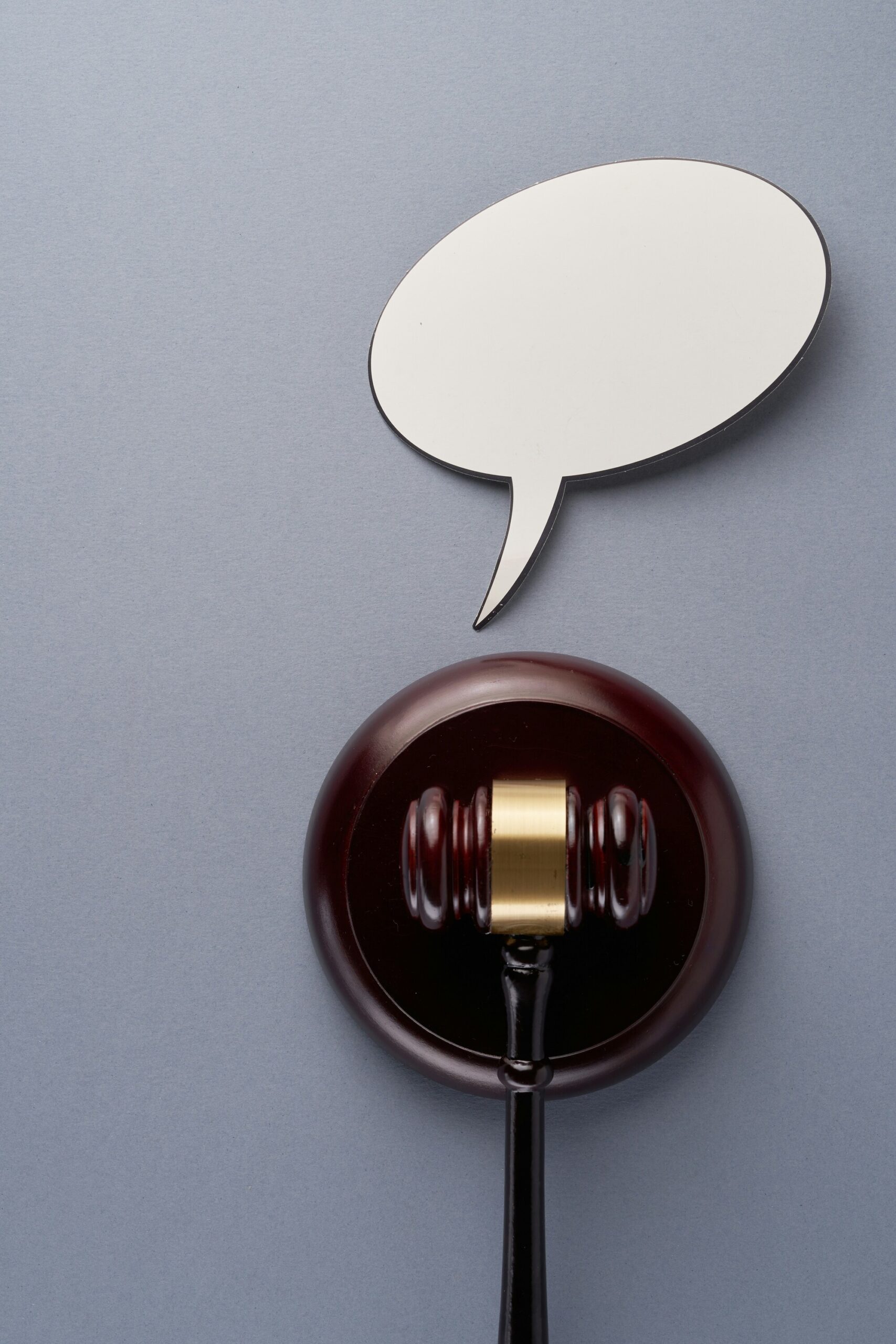
When justice speaks, it echoes with power, purpose, and responsibility
In places like California, demand continues to outpace supply, even with investment in training. In others, like Wisconsin, shortages are part of what’s driving conversations around AI. And across multiple jurisdictions, remote interpreting is being used more often to keep things moving.
This isn’t random.
It’s pressure.
And systems are responding to it in real time.
The question is what that does over time.
Are these changes strengthening access…
or changing what we accept as enough?
Remote Interpreting Is Becoming Part of the Structure
Remote interpreting isn’t temporary anymore.
You see it across courts now, not just as a backup, but as part of how things are being done.
It helps with access. It helps with scheduling. It keeps cases moving.
And that’s why it’s sticking.
At the same time, states like Wisconsin are already building it into broader conversations around how proceedings can be handled, including in trials.
So this isn’t just about convenience.
It’s becoming part of the structure.
And there’s still something we’re figuring out.
What changes when the interpreter is not physically in the room?
Not technically.
In how communication is actually received.
That part doesn’t have a clear answer yet.
 Interpretation Is Starting to Show Up in the Record

Another shift you can see is how interpretation is being looked at in legal settings.
It’s not just about obvious errors anymore.
Attorneys are paying closer attention. They’re preserving recordings, comparing transcripts, and looking at patterns.
Not one big mistake.
Smaller ones that build over time.
There’s already movement toward arguing that those smaller errors, taken together, can affect the outcome of a case.
And if that continues, interpretation doesn’t stay in the background.
It becomes part of what gets examined.
The Role of the Interpreter Is Expanding
All of this circles back to us.
We’re working in spaces where technology is part of the process, where expectations are shifting, and where decisions are being made in real time about how language is handled.
So now we’re asking different questions.
What do we do when something doesn’t sound right?
What do we do when the conditions affect accuracy?
What does responsibility look like when more than one system is involved?
These aren’t abstract anymore.
They’re part of the work.
So… Where Does That Leave Us?

All of this is happening at the same time.
AI is being tested and debated.
Shortages are pushing systems to adapt.
The structure of the work is evolving.
And we’re in it while it’s happening.
Which is why this moment matters.
Not because everything is figured out, but because it isn’t.
And because of that, we need to be part of these discussions.
That’s why coming together right now matters.
Not just to listen, but to actually talk to each other.
To hear what others are seeing in their courts.
To compare what’s working and what isn’t.
To ask questions that don’t have clear answers yet.
Because these decisions are not happening in isolation.
They’re shaping the conditions we all work in.
And if we’re not actively part of those conversations, together, as a field…
then those decisions still get made.
Just without us in the room.
Keep the Conversation Going
If this topic resonated with you, be sure to check out our previous blog posts for more insights on the realities of our profession, and the evolving world of judiciary translation and interpreting:

your article is written clearly…concise and to the point…
I normally get lost in the long and entangled paragraphs
thank you for your style and content