
11 Mar Language Access on the Biggest Stage
Language Access on the Biggest Stage
By: Julli Jaramillo
Last month, millions of viewers tuned in to watch the Super Bowl Halftime show. As always, the spotlight was on the teams, the halftime show, and the commercials that quickly became part of the cultural conversation.
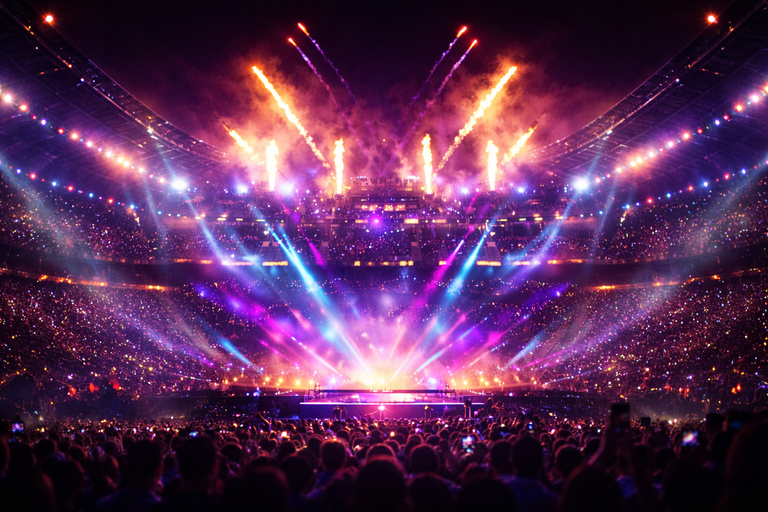 But behind the spectacle, another professional quietly helped ensure that communication remained accessible: the interpreter of the halftime show.
The halftime show interpreter helped ensure that the show remained accessible, and it was truly a beautiful thing to witness.
This year’s Super Bowl once again highlighted how language access plays a role even in the most widely watched event.
Celimar Rivera Cosme: Interpreting Culture on the Super Bowl Stage
During the Super Bowl halftime programming, Puerto Rican interpreter Celimar Rivera Cosme helped bring language access and cultural representation to the broadcast through sign language interpretation.
© @celimar_deafpr
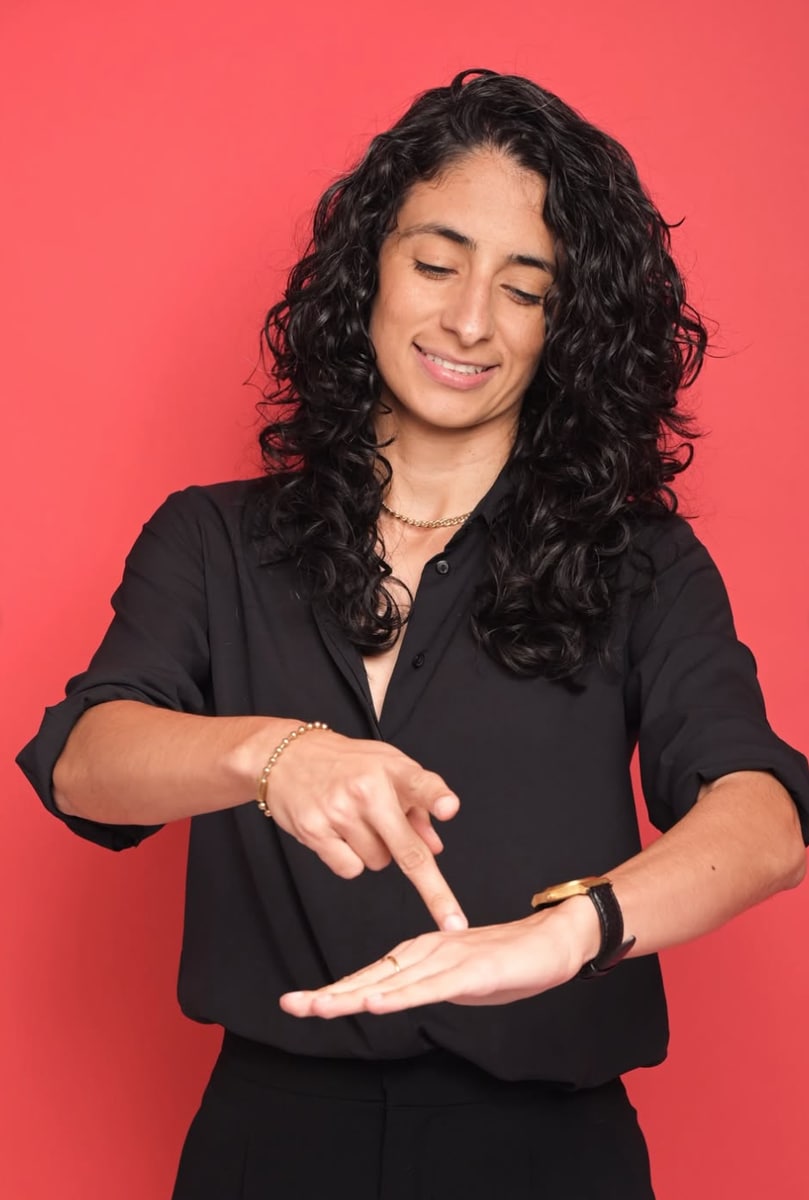
Rivera Cosme is a Deaf interpreter and performer known for interpreting large-scale musical performances. Her expressive and rhythmic style reflects the energy of live music while maintaining linguistic clarity for Deaf audiences.
During the Super Bowl broadcast, she incorporated Puerto Rican Sign Language (LSPR) into the interpretation, highlighting the linguistic diversity within the Deaf community while making the performance accessible to viewers who rely on sign language.
Her work demonstrated how interpreting can extend beyond spoken communication. It can also carry rhythm, emotion, and cultural identity in ways that allow audiences to fully experience live events.
Rivera Cosme’s participation in the Super Bowl drew my attention not only because of the scale of the event, but also because it highlighted the importance of representation and accessibility in global entertainment broadcasts beyond the courtroom.
Different Stages, Shared Skills
At first glance, interpreting during a Super Bowl halftime performance may seem very different from interpreting in a courtroom.
One environment takes place on a stadium stage and is broadcast to millions of viewers. The other unfolds in courtrooms where legal proceedings can profoundly affect people’s lives.
Yet many of the core skills are remarkably similar.
Both environments require interpreters to listen carefully, process meaning quickly, and reproduce language with accuracy and clarity. In both settings, interpreters must keep pace with rapid speech, shifting content, and high-pressure situations where communication must remain precise.
Preparation also plays a critical role. Just as court interpreters study case terminology and legal procedures, interpreters working in live performances must become familiar with lyrics, rhythm, tone, and the cultural context of the performance they are interpreting.
Another shared element is visibility, though it manifests differently in each setting. In courtrooms, interpreters aim to remain unobtrusive so that the focus stays on the proceedings and the speakers themselves.
During live performances, however, visibility becomes part of the experience. In the context of the Super Bowl halftime show, the interpreter is not hidden in the background. Instead, the interpreter becomes a visual bridge between the performance and Deaf audiences.
For Deaf viewers, the interpreter is often a central part of the moment. Through movement, expression, and rhythm, the interpretation carries the music and energy of the performance into a visual language. In that sense, interpreters like Celimar Rivera Cosme are not merely facilitating the event. They are participating in it, interpreting the show into a form that allows Deaf audiences to experience the halftime performance in real time.
The stakes may differ, but the responsibility remains the same: ensuring that meaning crosses linguistic boundaries clearly and faithfully.
Interpreters in Unexpected Places
Events like the Super Bowl remind us that interpreting appears in many places people might not initially associate with language access.
While many interpreters work in courtrooms, hospitals, and community settings, interpretation also plays a role in cultural broadcasts watched by millions around the world. These moments expand public awareness of the profession and highlight the importance of accessibility in spaces where audiences gather to share experiences.
As interpreters and translators, noticing these moments matters. They remind us that language access is not confined to one field or setting. It travels wherever communication needs to reach across languages, cultures, and communities.
Events like the Super Bowl offer an opportunity not only to celebrate interpreters like Celimar Rivera Cosme, but, also, to continue advocating for accessibility wherever people come together to listen, watch, and participate.
Source: Information about Celimar Rivera Cosme and her participation in the Super Bowl was reported by HOLA!, “Celimar Rivera Cosme makes history at the Super Bowl with Bad Bunny,” January 2026.
Keep the Conversation Going
If this topic resonated with you, be sure to check out our previous blog posts for more insights on the realities of our profession, and the evolving world of judiciary translation and interpreting:

One thought on “Language Access on the Biggest Stage”